Arthritis
This paper presents the results and methods used to study the efficacy of an indigenous medical treatment from the combined perspectives of biomedicine, the traditional healers and patients. Eighteen months divided over three field seasons were spent in a Tibetan Refugee community in Northern India. As apprentice to a Tibetan doctor, 1451 general patients and 108 arthritis patients were followed. A randomized trial of 28 patients was done comparing the Tibetan and Western treatments for rheumatoid and osteo-arthritis. A minute-by-minute observational study of these patients was also undertaken in their homes to understand how the different treatments affected their lives. In addition, participant observations and interviews allowed the patients to describe their arthritis disability in their own words. This paper discusses the scientific results of this trial, and places them within the larger context of the perspective of the Tibetan patients and doctors involved in this study. The detailed findings of this study were published in sMan-rTsis Journal of Men-Tsee-Khang, Issue no. 95,Vol. 02.
rheumatic diseases
At the Dutch Foundation for Tibetan Medicine (N.S.T.G) in Amsterdam, the Netherlands, a pilot study is being conducted on the effectiveness of Tibetan Medicine on patients with rheumatic diseases in cooperation with doctors from Men-Tsee-Khang (Tibetan Medical & Astrological Institute) in Dharamsala, India. This pilot study is being done in preparation for a clinical trial in which objective and subjective parameters will be measured. The objective parameters will be: erythrocyte sedimentation rate (ESR), rheumatoid factors (RF) and immunological parameters (Immunoglobulins IgA, IgG and IgM). The subjective parameters will be: wellbeing, pain and daily functioning. The detail report was published in the book called East meets West & West meets East” by C. Paulus van Pauwliet
Pilot study on Hypertension
In spring of 1988, 1104 resident Tibetans of above 30 years of age in and around Dharamsala were screened and 285 people were found to be hypertensive. The incidence of hypertension among Tibetan refugees has been shown to be disturbingly high, and at the same time many positive reports in treating hypertension with the use of Tibetan medicine has been credited in bringing the study of this particular illness to the fore. Therefore this study was undertaken by the Clinical Research Dept. of Men-Tsee-Khang in the year 1989 for a period of six months to test the efficacy of traditional Tibetan herbal remedies in treating hypertension. This pilot study was a blind, placebo controlled, quantitative study. The trial was carried at Gangkyi Branch clinic, Dharamsala, for six months on 83 patients who were non randomly allocated in two arms, one arm receiving treatment (12 different kinds of Tibetan medicines) and other arm receiving a Placebo (4 kinds of Tibetan Medicine having neutral potency).They were accessed to blood pressure reading every week. Statistical comparison between control group and experimental group were performed using a Student’s T-test.
There was no significant statistical difference in mean systolic or diastolic pressure between initial values up to any time point within the six months of treatment (p>.1). There were also no significant differences between the initial blood pressure values for the experimental and control groups, and that the control group values also did not change over time. The blood pressure readings of each patient were averaged for a week following the use of each medicine and standard deviation were computed. These data indicate that none of the medicine led to decreased blood pressure in the weeks following its administration, either relative to baseline, to placebo treatment, or to other Tibetan medicines.
Hypertension Survey
The various Men-Tsee-Khang (TMAI) branch clinics have witnessed a significant rise in hypertension cases amongst the Tibetan people within India, which has been attributed to the population’s high dietary intake of calories and fats, their relative sedentary lifestyle, and the underlying stress associated with the trauma of adapting with new environments and family separation. These risk factors are also coupled with a lack of public awareness about hypertension, and poor access to health care systems to address this rising prevalence of hypertension. In this study Tibetan people within the age range of 30-70 were asked to come for blood pressure screening and to participate in the Schedule Standardized Interview, which allowed for the collection of people’s identification details, physical examinations findings, dietary patterns, behavioral factors, physical & mental activity and prior treatment history. The study results found that 46% of the population screened was found to be hypertensive. The associated factors noted in the survey such as male gender, being overweight, a dietary intake of alcohol, non-vegetarian diet and Tibetan butter salted tea, and physical inactivity were shown to play significant and independent roles in the development of hypertension amongst the Tibetan refugees residing in the northern and southern settlements in India. The detail report has been published in Men-Tsee-Khang News Letter, Vol. XX, March -2011.
A descriptive study on the prevalence of diabetes mellitus among Tibetans in refugees’ settlements in India conducted in 1997 showed a high prevalence of hypertension in both the diabetic and non-diabetic individuals. In addition, the various Men-Tsee-Khang (Tibetan Medical & Astro. Institute) branch clinics have witnessed a significant rise in hypertension cases in Tibetan people in India, which has been attributed to the population’s high dietary intake of calories and fats, their relative sedentary lifestyle, and the underlying stress associated with the trauma of family separation, leaving their homeland, and adapting to new environments. These risk factors are coupled with a lack of public awareness about hypertension and poor access to health care systems to address this problem. In this study, Tibetan people aged 30 to 70 years were asked to come for blood pressure screening and to participate in a scheduled standardized interview. The survey collected and analyzed data related to demographics, physical examination findings, dietary patterns, behavioral factors, physical and mental activity, and prior treatment history. The results showed that 46% of the population screened was hypertensive. Several factors collected in the survey, including age, male sex, the fact of being overweight, alcohol intake, a non- vegetarian diet, Tibetan salted butter tea intake and physical inactivity, were shown to play significant, independent roles in the development of hypertension in Tibetan refugees residing in northern and southern settlements in India. The study report was published in sMan-rTsis Journal of Men-Tsee-Khang, Vol. V, Issue 1, 2014.
Hypertension Study
The treatment of hypertension in a traditional Tibetan medicine has been a potential hope in Hypertensive patients that is increasing rapidly as per the reports of various branch clinics of Men-Tsee-Khang, Tibetan Medical and Astrological Institute and the recent Hypertension survey, a hope of fruitful, holistic treatment and a freedom from the clutches of lifetime allopathic medication. This needs to be demonstrated by showing the efficacy and safety of traditional Tibetan medicine or Sowa Rigpa. Therefore, an Open, single centre, non – randomized, comparative study on 150 participants was initiated by Clinical Research department of Men-Tsee- Khang at Dekyiling Branch Clinic, Dehradun on 26th April 2009. The criteria for the eligibility of participants were of age between 30-70 who were either untreated case or newly diagnosed hypertensive patients with blood pressure of >125/85 mm/Hg and < 159/99. Four selected medicines of traditional Tibetan medicines along with Dietary control & Lifestyles counseling formed intervention arm, where as Dietary & Lifestyles counseling alone was the control arm of this study. One hundred and fifty patients were allocated into one of the two groups. Seventy participants in the treatment group (Group I) and sixty seven participants in control group (Group II) completed the study. It was found that the percentage reduction in SBP was similar in both the treatment and control arm at both 3 and 6 months. Diastolic blood pressure in both the treatment and control arm showed increase at six months. However, in the treatment group, increase in DBP was significantly less at 6 months as compare to control group (p-value=0.0035). There were no adverse effect and adverse event noted or reported during trial period. The detailed findings were published in STM Research and Reviews-Journal of Medicine, Vol 3, no. 3 2013.

Diabetes Survey
A descriptive study was done to study the prevalence of Type 2 Diabetes in Tibetan settlements in South India in December 1997. There has been no reported study of DM among the Tibetan population. The sample size consist of 2052 people in the south Tibetan settlement, 980 people in and around Dharamsala and 800 Tibetan people in the Bodhagaya region, totaling to 3821 people with the age range from 30-65 years old participated in this study. We came to learned that 132 participants found out to be diabetic≥ 126 mg/dl in fasting or plasma glucose > 200 mg/dl after intake of 75 gm of glucose. In this study, the crude prevalence rate of DM was 3.4%. DM can be considered to be a significant problem in this migrant Tibetan population. We also came to know of very high incidence of hypertension in the Tibetan population. A note should also be made of a possibly occurrence of cerebral vascular disease. Separate studies on hypertension and stroke are needed to confirm their high prevalence.
Diabetes Study
The Clinical Research Department of Men-Tsee-Khang in collaboration with All India Institute of Medical Sciences (AIIMS), New Delhi, undertook a study to assess the efficacy of Traditional Tibetan medicine in controlling the blood glucose and glycated hemoglobin (GHb) in newly diagnosed or untreated type 2 diabetes from 1997 to 2000. A total number of 200 newly diagnosed or untreated type 2 diabetes patients were recruited from the Bangalore branch clinic in South India and New Delhi branch clinic in North India. The patients were randomized into two groups, the treatment group and the control group. The treatment group was treated with traditional Tibetan medicine along with diet and lifestyle modifications and the control group was treated only with dietary and lifestyle modification. The result showed significant changes in both blood glucose (FBG and PPBG) and HBa1c level in the treatment group. Hence, the preliminary trial has shown a positive effect of the use of Tibetan Medicine in management of diabetes mellitus. The detail report of the study was published in Diabetes Care 24:176-177 in 2001. Visit: care.diabetesjournals.org/content/24/1/176.full
Cancer is one of the chronic diseases Tibetan Medicine has shown some positive effect depending on the stage of the disease. The need to design a clinical study was felt for a long time and during a meeting on cancer in 1996, it was decided to commence with a baseline study before launching on a clinical study. The objectives of this study was to identify the type of cancer where Tibetan Medicine is the most effective, the stages of cancer, alleviating the symptoms, improving the quality of life and life span, and to specify the particular Tibetan drugs for cancer. The baseline study went through 1998-2001 registering 638 Ca patients from 15 MTK’s branch clinics. The study showed marked improvement in alleviating the symptoms, controlling the disease, improving the quality of life physically and mentally and pro longing the life span.
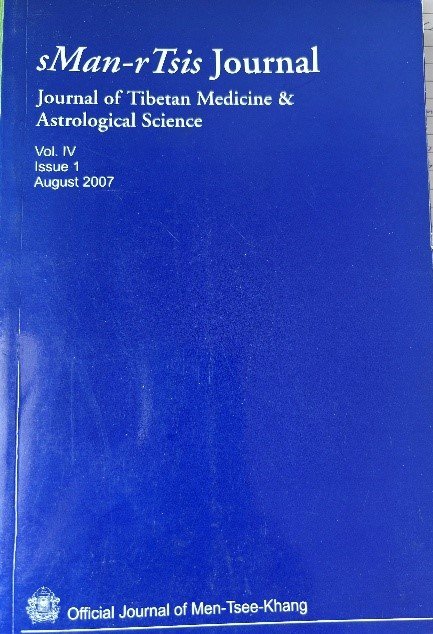
Bengaluru branch clinic of Men-Tsee-Khang conducted a clinical study on 640 Cancer patients over a period of 27 months from November 2002 to February 2005. About 90 % of the patients were post-operative, post-chemotherapy, post radiation therapy or either one or two or all three of them. They came with various issues like relapse and recurrent tumor, secondary infections or metastasis, and also for palliative care. They were given traditional Tibetan medicine as well as dietary and lifestyle counseling. For those on chemotherapy and radiation, immune boosting Tibetan medicines excluding precious pills were given interval as supporting or complementarymedicine.
Observations:
- Tibetan medicine was found to be very effective in improving the immune system, and general health condition of all the Cancer patients.
- It helps to slow down or delay the progression of the Cancer.
- It was found to have promising effect in prevention and control of the secondary infections.
- It minimizes cancer pain and reduces both the physical and mental suffering.
- Many reported positive outcomes in minimizing the side effect of C & R therapy.
- It was observed significant expand in lifespan in many patients. The detailed findings were published in sMan-rTsis Journal of Men-Tsee-Khang, Vol. IV, Issue 1, August 2007
Cancer Case Studies
Tibetan medicine is a traditional healing system that is gaining interest in the West, but little research has been done on its use for cancer. A small study in India looked at three patients with serious illnesses who used Tibetan medicine. One patient with stomach cancer had clear scans and good quality of life more than two years later. Another patient with leukemia saw blood tests return to normal within three months and remained stable for four years. A third patient with a blood disorder improved greatly and no longer needed transfusions. None of the patients had harmful side effects. Although this was only a small review, the findings suggest Tibetan medicine may be safe and could help improve health and quality of life for people with cancer or blood diseases. More careful studies are needed to confirm these results. The detail report was published in Integrative Cancer Therapies 2014 Vol 13(6)502-512
Chronic Hepatitis B Study-I
A clinical study on Hepatitis B was started from April 2004 to December 2004. It was an Open Randomized Control Single Centre Study. After obtaining patient’s consent, 50 patients were selected following WHO selection criteria. The patients were grouped into two arms with one arm receiving Specific Tibetan Medicine for Hep’ B and another arm receiving Traditional Tibetan Medicine for Hep’ B. The primary objective was to evaluate the efficacy of Tibetan Medicine in treating Chronic Hep’ B patients. The Specific Tibetan Medicine and the Traditional Tibetan Medicine were comparable for LFT and hepatitis B related symptoms. However in spite of randomization, the Specific Tibetan Medicine group i.e., group I have significantly higher LFT value and worse symptoms, indicating poorer LFT control in this study that received the Specific Tibetan Medicine. Both the group of Specific and Traditional Tibetan medicine showed significant improvement in Liver Function Test and HBV related symptoms. However, there is no any case of conversion from 49 patients who completed the six months course of study. The full report has been published in sMan-rTsis Journal of MTK, Vol, IV, Issue 1, August 2007.
Chronic Hepatitis B Study-II
Another comparative study on the evaluation of effectiveness and safety of Tibetan Medicine in treating chronic Hep’B was done at Bylakupee branch clinic of Men-Tsee-Khang for a period of six months in the year 2007. With one group receiving specific Tibetan Medicine and the other group receiving regular traditional Tibetan Medicine were compared for Hepatitis B viral load (HBV DNA), LFT, HBsAg and HBeAg during the course of the study. The data has been documented to be statistically analyzed by a statistician.
Toxicity Study I (Use of Mercury in Tibetan Medicine)
Toxicology study on use of Tsothel (detoxified mercury) in Tibetan medicine for 11 patients was done in the year 2003. It was an open, retrospective controlled pilot study, constituting an initial feasibility stage of a larger, future prospective study in collaboration with Natural Medicine Research Unit, Israel; Delek Hospital, Dharamsala, India; Dept. of Chemistry, University of Liverpool, Liverpool, UK. The study concluded that pre-longed use of detoxified mercury (Tsothel) doesn’t show any sign of toxicity as speculated by western bio-medicine.
The current study, although performed on only a small cohort of patients tend to support the hypothesis that a prolonged intake of the purified form of mercury, known as Tsothel in Tibetan Medicine is relatively non-toxic. These initial results are of particular interest in view of the growing popularity of Tibetan Medicine in the west; however there is no doubt that further research needs to be performed. The detail report of the study was published in Human & Experimental Toxicology Medical Journal with reference to Human & Experimental Toxicology (2006)25:405-412 and in sMen-rTsis Journal vol. IV, 2007
Tsothel Study
Researchers studied Tibetan medicines that use mercury, including a special detoxified form called Tsothel. Although patients taking these medicines consumed mercury at levels much higher than international safety guidelines, the study found no clear signs of mercury poisoning. Tests of the liver, kidneys, and nervous system were normal, and patients did not show more symptoms than those who did not take Tibetan medicine. Interestingly, some patients using Tsothel even performed slightly better on memory and thinking tests. The findings suggest that detoxified mercury in Tibetan medicine may not cause obvious harm and could have some benefits, but because mercury is widely known to be toxic, more careful research is needed before drawing firm conclusions.
The detail study report was published in Experimental Biology and Medicine 2016; 0: 1–17
The purpose of this study was to explore the possible stimulating effects of the Tibetan Medicine called Pokar 10 in two cell types that have been stressed in an impoverished medium over 5 days. This study was carried out in May, 2004 in collaboration with Tissue Culture laboratory at Portland Community College, Portland, Oregon, USA. Both cell types were fibroblasts, fast growing connective tissue cells secreting an extra cellular matrix rich in collagen and other macromolecules. The Tibetan Medicine Pokar 10 is often given for the treatment of joint inflammation/ pain and skin diseases.
The cell submitted to concentrations of Tibetan Medicine were noticed to be growing “extensions” to their cytoplasm material, appearing to reach specifically for the Tibetan compound, grabbing and engulfing bit of it. This movement in the direction of the Tibetan Medicine can be referred to as a positive chemotropic response. Further testing would be required to continue documenting the earlier responses of the fibroblast cells, and also to attempt to understand and explain the physiological mechanisms by which the Tibetan Medicine was able to beneficially affect the culture cell line. The full report has been published in sMan -rTsis Journal of Men Tsee Khang (English), Vol. IV, Issue 1, August, 2007.
Study
Researchers studied two Tibetan medicines, called MedI1 and MedA2, to see if they could fight glioblastoma, a very aggressive type of brain cancer. They tested the medicines on cancer cells and compared the effects with healthy cells. At first, both cancer and healthy cells reacted in similar ways. But when an antioxidant (DPPD) was added, the cancer cells became more sensitive to the treatment than the healthy cells. This suggests that the medicines may act more strongly on cancer cells while sparing normal cells. The study also looked at how the cells died and found changes linked to the medicines. Overall, the findings give early evidence that Tibetan medicine could be a source of new, selective anti‑cancer treatments, though more detailed research is needed. The detail report was presented during the International Conference on Tibetan Medicine, 24 March 2016 held at Dharamsala, HP, India.
A prospective interventional pilot study was conducted at the Dharamsala clinic between 2010 and 2011 to evaluate the effectiveness and safety of Sowa-Rigpa (Traditional Tibetan Medicine, TTM) therapy for digestive system conditions, with a particular focus on gastritis. A total of 50 patients were recruited. Findings from gastrointestinal endoscopy indicated that TTM therapy was effective in treating gastritis. While the results are promising, further large-scale clinical studies are required to confirm these outcomes and establish broader clinical validity.
Currently under review and not yet published.
This case report describes a 76‑year‑old female patient with a confirmed diagnosis of cholelithiasis (small gallstones, 3–5 mm), along with a history of asthma, hypertension, and treated pulmonary tuberculosis. The patient presented with right upper quadrant pain but declined surgical intervention (cholecystectomy). She was treated on an outpatient basis with three different Tibetan herbal formulations (Drangtri10+Transhik, Shechey6, and Tsangla35), administered in specific daily schedules over a period of 14 months, supplemented occasionally with Rinchen Mangjor Chemo.
Follow‑up abdominal ultrasound after 14 months revealed complete resolution of gallstones, with no evidence of cholecystitis.
The case highlights that Tibetan herbal formulations (Sowa‑Rigpa) may offer a safe, non‑surgical, conservative approach for dissolving small, uncomplicated gallstones. Compared to standard medical therapy with ursodeoxycholic acid, which typically requires at least two years, this patient achieved resolution within 14 months. The detail report has been published in sMan -rTsis Journal of Men-Tsee-Khang (English), Vol. VI, Issue 1, Year 2020.
This joint Men-Tsee-Khang and Delek Hospital study evaluated an integrative treatment approach for Helicobacter pylori in the Tibetan community, combining standard 14 -day biomedical triple therapy with individualized Sowa-Rigpa herbal medicine and counseling. Among 120 participants, the program achieved a high overall eradication rate of 91% and exceptionally strong treatment adherence, while significantly reducing gastrointestinal symptoms and treatment-related side effects. Patients experienced marked improvements in bloating, pain, and digestion, with many reporting better quality of life by the end of the treatment. These results suggest that integrating Tibetan medicine with biomedical care offers and effective, culturally aligned model for managing H.pylori in high-risk populations.
Currently under review and not yet published.
NAFLD is closely associated with metabolic risk factors like overweight/obesity, type 2 diabetes mellitus, hypertension and dyslipidemia. There is an intricate bidirectional relationship between metabolic comorbidities and NAFLD is now considered a hepatic manifestation of metabolic syndrome. As the number of comorbidities increases, the risk of having NAFLD increases and the metabolic co-morbidities also increase the severity of NAFLD with a high prevalence of NASH and hepatic fibrosis in those with metabolic syndrome.
The current study has been carried out to study the safety and efficacy of Tibetan Traditional Medicine in patients with nonalcoholic fatty liver disease. Traditional Tibetan Medicine is used in the treatment of Non-alcoholic fatty liver disease. It has been reported that the TTM effectively reduces the characteristics of NAFLD.
Currently under review and not yet published.
Sowa-Rigpa, another name for the Traditional Tibetan System of Medicine (TTM), is a complete system of holistic health care that originates in Tibet and dates back thousands of years. TTM is known mainly because it uses a patient-centered, holistic approach to treatment, special diagnostic methods, and targeted, preventive care. The purpose of this study is to evaluate the safety and efficacy of traditional Tibetan medicine and external therapy in the treatment or management of patients with GAD and to measure the improvement in the quality of life of the GAD patients An open-label randomized controlled trial conducted in and around Dharamsala. The study participants were selected through randomized and grouped into two. The duration of the allocated intervention was 3 months. The total sample size was 100 patients suffering from GAD. The detailed report is currently underway.
Currently under review and not yet published.
This small study took place at the Delek TB Clinic in Dharamsala, India, with members of the Tibetan exile community who were being treated for tuberculosis (TB). Researchers wanted to see if adding Traditional Tibetan Medicine and a Mindfulness & Compassion program to standard TB treatment could safely help patients feel less mental distress. Twelve patients were divided into three groups: one received only standard medicine, another received standard medicine plus Tibetan medicine, and the third received both Tibetan medicine and the mindfulness program. The study found that combining Tibetan medicine and mindfulness with regular TB care appeared safe and showed promise in improving patients’ mental well‑being. These early results suggest that blending traditional healing and mindfulness with modern medicine may offer extra support for TB patients, especially in vulnerable communities.
Currently under review and not yet published.
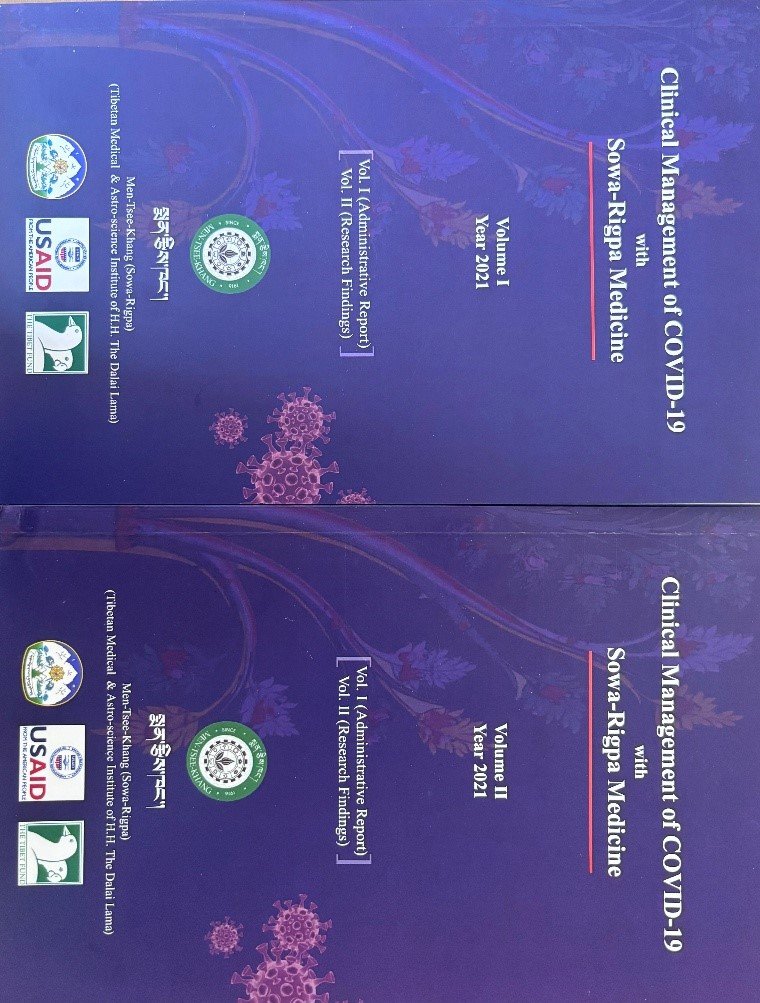
During the COVID‑19 crisis, many people in Tibet, India, Nepal, and the US turned to Sowa‑Rigpa, the traditional Tibetan medical system. Researchers at Men‑Tsee‑Khang (MTK) studied 4,681 patients in India and Nepal who received Sowa‑Rigpa herbal medicines between 2020 and 2021. Most patients recovered — 99% — with an average recovery time of about 13 days. Only 43 patients died, giving a case fatality rate of less than 1%. More people showed symptoms during the second wave compared to the first, and both biomedical and traditional Tibetan symptom categories increased. Overall, the study suggests that Sowa‑Rigpa medicines may have helped patients recover from COVID‑19, but stronger scientific studies are needed to confirm these results.